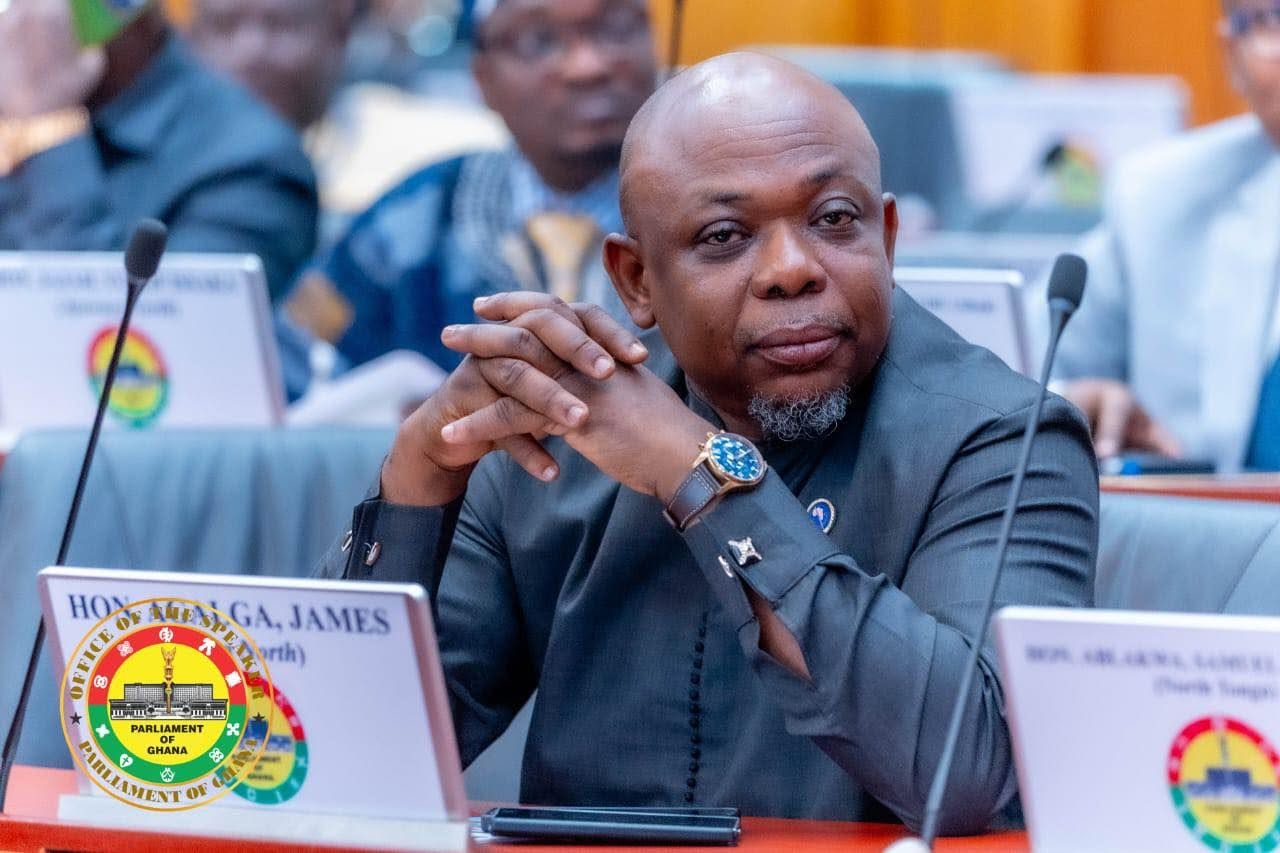
On 13 May 2015, while serving as Deputy Minister for the Interior, I had the responsibility of presenting the Arms Trade Treaty (ATT) to the Parliament of Ghana and seeking the House’s approval for its ratification.
It was an important step in Ghana’s commitment to strengthening the regulation of the international trade in conventional arms and contributing to wider efforts to prevent the illicit and irresponsible movement of weapons.
The Treaty establishes international standards governing the export, import, transit, trans-shipment and brokering of conventional arms. For Ghana, its ratification was particularly significant given the security challenges associated with the proliferation and illicit movement of small arms and light weapons within West Africa.
Following my presentation, the Speaker referred the Treaty to the Joint Committee on Defence and Interior and Constitutional, Legal and Parliamentary Affairs for consideration and report, in accordance with the Constitution and the Standing Orders of Parliament.
I was subsequently involved in the Committee’s deliberations alongside officials from the National Commission on Small Arms, the Attorney-General’s Department and other stakeholders.
For me, this was part of a broader responsibility at the Ministry of the Interior: ensuring that Ghana remained actively engaged in international efforts to promote peace, security and responsible arms control, while strengthening the national systems required to address the illicit proliferation of weapons.
Ghana had signed the Arms Trade Treaty on 24 September 2013, and the parliamentary process in 2015 paved the way for the country’s eventual ratification. Ghana deposited its instrument of ratification with the United Nations on 22 December 2015.
My involvement in this process remains an important part of my record in the areas of national security, arms control, international cooperation and parliamentary governance.